A Preventive Maintenance Calendar for Rental Properties
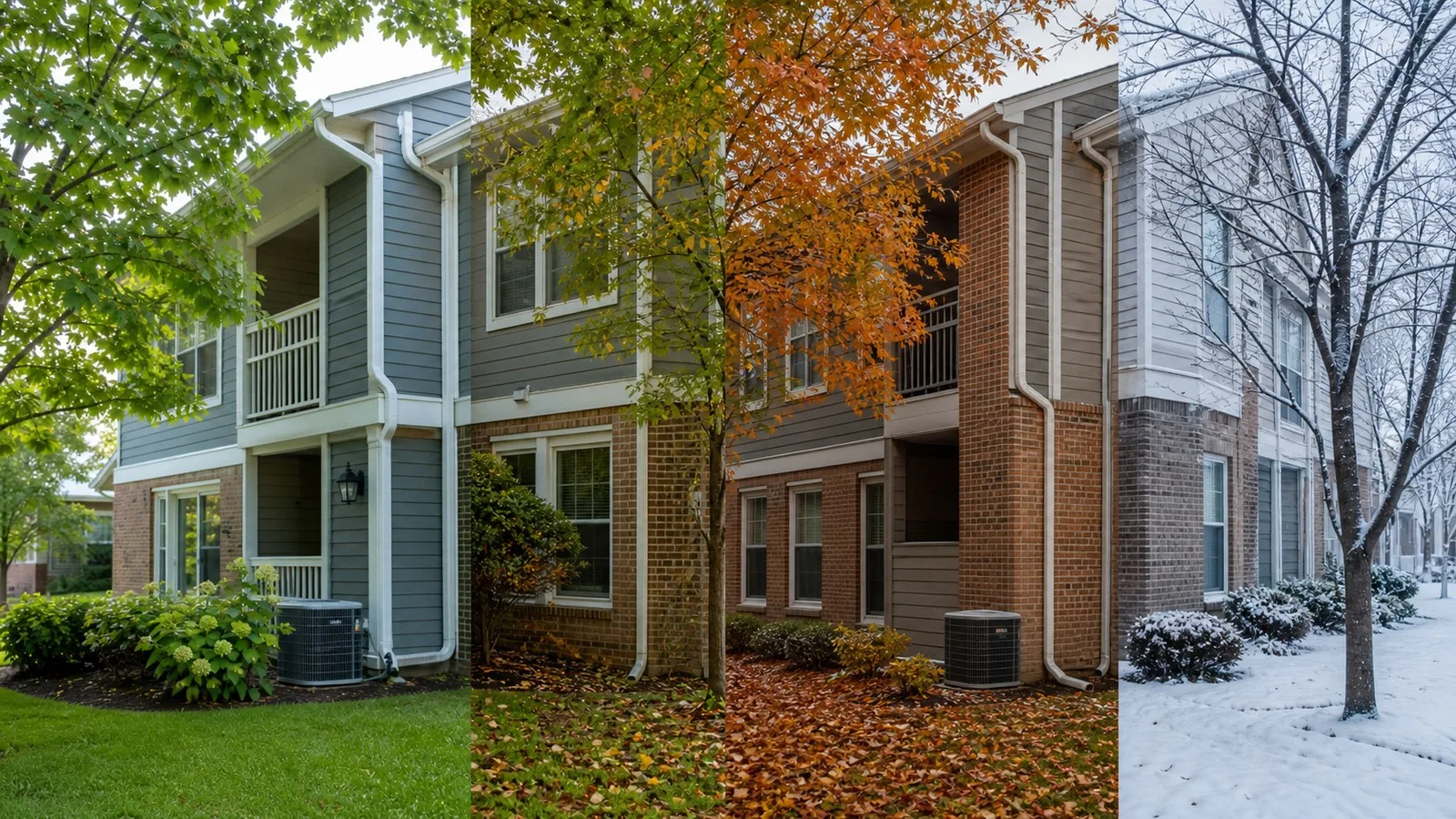
A risk-based calendar that separates recurring inspections, seasonal tasks, resident responsibilities, vendor work, and completion records. This rental property preventive maintenance calendar gives the team a clear starting point, owner, record, and finish line.
Checklists are useful only when they improve the work. For preventive maintenance planning, that means helping staff identify the situation, collect reliable facts, act within their authority, and leave a record another team member can use. The strongest workflow is usually the one that makes normal work simple and exceptions obvious.
This article offers general educational information about preventive maintenance planning, not legal, tax, financial, insurance, engineering, or other professional advice. Adapt the workflow to the property, approved company procedures, contracts, and applicable requirements.
Set scope, ownership, and a finish line
The operating goal of the rental property preventive maintenance calendar is to catch predictable deterioration early, assign work clearly, and create a useful service history. Write that outcome at the top of the procedure. A clear outcome prevents the checklist from becoming a collection of tasks that are easy to mark complete but do not solve the underlying management problem.
Set the scope as well. Identify the properties, teams, systems, and situations included. Name meaningful exclusions and the escalation path for work that falls outside the normal process. A limited first version is easier to test than a complicated workflow intended to cover every possible exception.
Before the task starts
Good decisions depend on consistent inputs. The intake should be short enough to complete during real work but specific enough that the next person does not need to reconstruct the situation. For this workflow, begin with:
- Asset age and known failure points.
- Manufacturer guidance.
- Local climate and seasonal exposure.
- Resident and vendor responsibilities.
Mark unknown information as unknown and assign follow-up. Do not fill gaps with assumptions merely to complete a form. If a missing fact changes safety, authorization, cost, access, or compliance, the procedure should stop or escalate until the responsible person reviews it.
Red flags to catch early
- Using one schedule for every climate and building type.
- Treating a created work order as proof of completion.
- Failing to record deferred work.
- Assigning residents tasks that were never clearly communicated.
- Keeping the schedule in a file the operating team cannot see.
Another common mistake is adding steps without removing obsolete ones. Each review should ask whether every field and approval still supports the operating goal. A shorter process with clear ownership and reliable records is often more useful than an elaborate form that staff members work around.
The practical rental property preventive maintenance calendar checklist
1. Build the asset list
Group equipment and building components by property and location. Include major appliances, water heaters, heating and cooling equipment, roofing, drainage, safety devices, and shared systems.
For this step, define who makes the decision, where the result is recorded, and what condition moves the work forward. If an exception changes the normal path, record the reason and the next review point rather than relying on memory.
2. Rank consequences
Separate items that can threaten safety or cause secondary damage from comfort issues and cosmetic work. The ranking determines inspection frequency and escalation rules.
For this step, define who makes the decision, where the result is recorded, and what condition moves the work forward. If an exception changes the normal path, record the reason and the next review point rather than relying on memory.
3. Assign intervals
Use documented equipment guidance, service history, climate, and professional recommendations to set monthly, quarterly, seasonal, and annual tasks rather than guessing.
For this step, define who makes the decision, where the result is recorded, and what condition moves the work forward. If an exception changes the normal path, record the reason and the next review point rather than relying on memory.
4. Name an owner
Every task needs one accountable role, even when a vendor performs the work. Ownership includes access, resident notice, completion review, and record storage.
For this step, define who makes the decision, where the result is recorded, and what condition moves the work forward. If an exception changes the normal path, record the reason and the next review point rather than relying on memory.
5. Bundle visits
Combine compatible work by property when practical. A well-scoped visit can reduce interruptions while still keeping distinct completion records for each asset.
For this step, define who makes the decision, where the result is recorded, and what condition moves the work forward. If an exception changes the normal path, record the reason and the next review point rather than relying on memory.
6. Prepare seasonal work early
Request bids and confirm vendor capacity before demand peaks. Adapt heating, cooling, storm, irrigation, and freeze-prevention work to the property's actual climate.
For this step, define who makes the decision, where the result is recorded, and what condition moves the work forward. If an exception changes the normal path, record the reason and the next review point rather than relying on memory.
7. Close the loop
Require notes, photos where useful, materials used, follow-up recommendations, and a clear completed or deferred status.
For this step, define who makes the decision, where the result is recorded, and what condition moves the work forward. If an exception changes the normal path, record the reason and the next review point rather than relying on memory.
8. Review the calendar
Compare recurring emergencies and repair costs with completed preventive tasks, then adjust intervals and scopes without erasing the historical record.
For this step, define who makes the decision, where the result is recorded, and what condition moves the work forward. If an exception changes the normal path, record the reason and the next review point rather than relying on memory.
See the decision path in context
A recurring condensate blockage should not remain an isolated emergency ticket. The team can add the relevant equipment to the asset list, define an appropriate inspection interval, assign ownership, and track whether the preventive task changes future service patterns.
The useful lesson is not that every similar situation will have the same outcome. It is that the team can use the same intake, decision ownership, record, and follow-up structure. Consistency supports better handoffs while still leaving room for property-specific facts and qualified judgment.
After the action: preserve a useful record
The record created by the rental property preventive maintenance calendar should explain the work without requiring access to one employee’s memory or personal inbox. Use approved systems and access controls, collect only information the process needs, and connect related records rather than copying sensitive details into multiple places.
At minimum, consider capturing:
- Asset and location.
- Task scope and due date.
- Assigned staff member or vendor.
- Completion notes and attachments.
- Deferral reason and new date.
- Recommended follow-up.
Completion should be a defined state. A sent email, created task, dispatched vendor, or drafted document may be progress, but none automatically proves that the intended result occurred. State what evidence closes the item and what happens when the evidence is missing.
Review, learn, and simplify
Review a small sample after the rental property preventive maintenance calendar has been used in real conditions. Check whether required information was available, decisions were made by the correct role, handoffs were timely, open items remained visible, and records supported the reported status. Discuss patterns rather than using the review only to blame individual mistakes.
Choose a few operating measures that point to action: open items past their next-action date, incomplete required fields, repeated handoff failures, unresolved exceptions, or work reopened after quality control. Measures need context. A faster close time is not an improvement if important work is being closed without evidence.
When the process changes, note the effective date and update the checklist, templates, and training together. Avoid silently editing historical records to match the new approach. The history is useful evidence of what the team knew and did at the time.
Related reading: A Leasing Agent’s Guide to Inspecting Scary, Dark Basements.
Conclusion: start with one working file
A dependable rental property preventive maintenance calendar does not require complicated software. It requires a defined trigger, reliable intake, visible ownership, controlled decisions, useful records, and a clear completion standard. Start with the normal path, test it with the people who perform the work, and improve the exceptions that occur most often.
Use the rental property preventive maintenance calendar steps above to review one current file or open task this week. Identify the first missing handoff, assign an owner, and update the working checklist. Subscribe to Property Professional Blog for more practical ways to make day-to-day property operations clearer and easier to manage.